

GLAB machine tools create a complete CNC product matrix covering CNC lathes, vertical machining centers, horizontal machining centers, five axis linkage machining centers, heavy-duty gantry machining centers, and turn milling composite machine tools. It is suitable for six mainstream manufacturing tracks: 3C electronics, precision molds, new energy components, aerospace, engineering machinery, and general hardware. The selection needs to be comprehensively judged based on six core dimensions: workpiece shape, size and weight, processing material, precision requirements, production capacity scale, and factory conditions. Accurate matching of models is necessary to balance processing quality, production efficiency, and full life cycle investment costs.
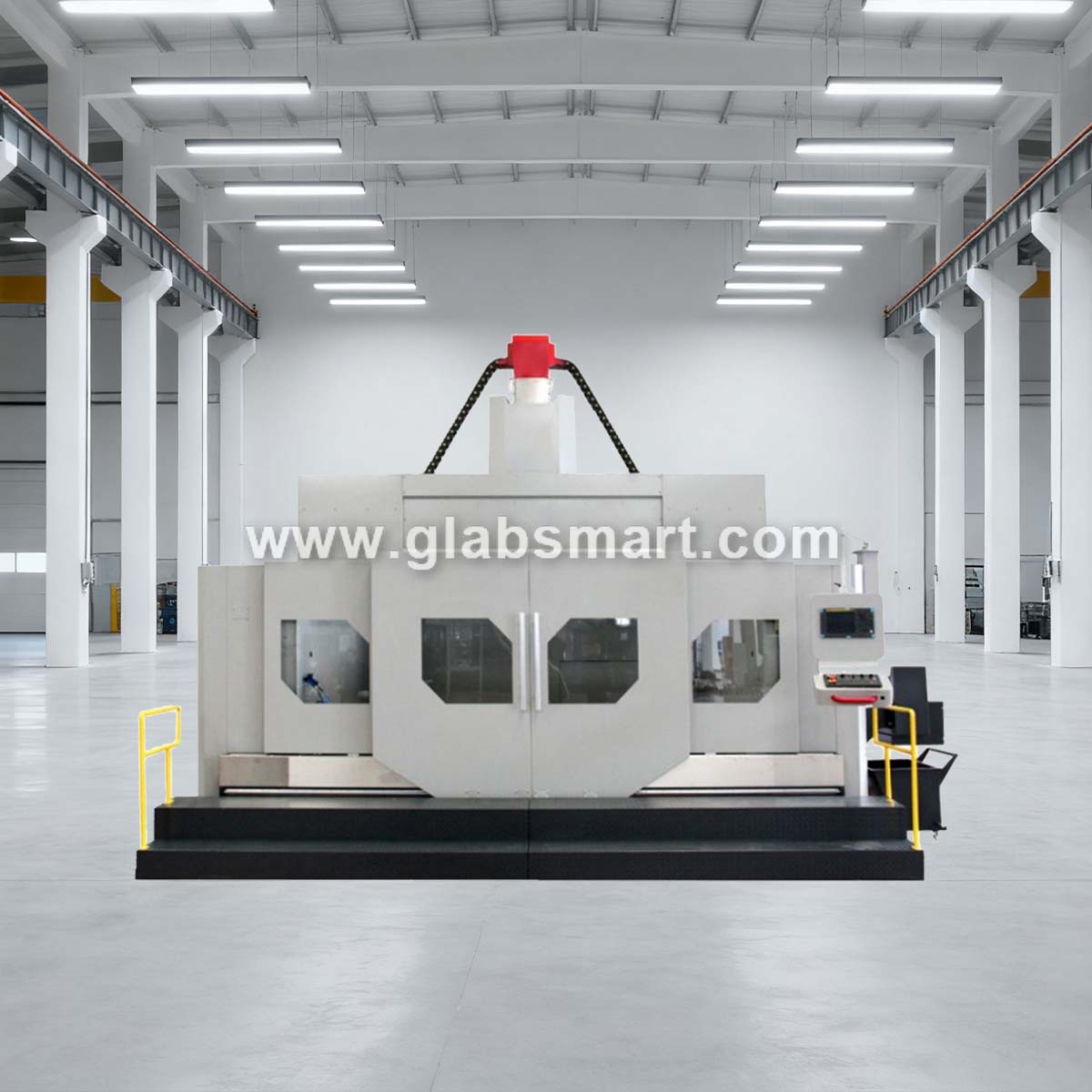
Firstly, based on the structural form of the workpiece, the basic machine models are divided into rotary shaft and disc parts, such as motor shafts, hydraulic valve discs, and small flange parts. GLAB CNC lathes or inclined rail turning and milling composite machine tools are preferred. The inclined rail model is equipped with a power turret, which can complete the turning, drilling, milling, and tapping composite processes in one clamping, suitable for batch precision machining of small and medium-sized shafts and discs. The flat rail economical lathe is suitable for rough machining, low precision general hardware parts, and has a lower procurement threshold; For single-sided machining of workpieces such as plates, shells, and small mold cavities, GLAB vertical machining centers are selected. The three wire rail high-speed model is suitable for high-speed precision machining of aluminum alloys and plastics, while the hard rail heavy-duty model is designed for heavy cutting of steel and cast iron. The compact body occupies a small area, and the operation is simple and flexible, making it a universal main model for small and medium-sized processing plants; Polyhedral box components such as engine cylinder blocks, gearbox housings, and hydraulic valve blocks require synchronous machining on all four sides. GLAB horizontal machining center is recommended, with a horizontal spindle paired with a indexing rotary worktable. Multi sided milling, boring, and drilling can be completed in one clamping, and the sunken structure has smooth chip removal. Coupled with a tray exchange system, it can achieve automated continuous mass production and is widely used in automotive parts production lines at home and abroad; Complex curved workpieces such as aviation impellers, medical device shaped parts, and integrated die-casting new energy shells must use GLAB five axis linkage machining centers, including two series of small and medium-sized cradle five axis and gantry five axis. The five axis synchronous linkage eliminates positioning errors caused by multiple clamping, and the micrometer level contour accuracy meets the strict standards of high-end precision manufacturing; Large, ultra long, and overweight workpieces such as wind turbine hubs, ship structural components, and large injection molds cannot be covered by conventional vertical and horizontal machining strokes and load-bearing capacity. GLAB heavy-duty gantry machining center is selected, which has a strong rigidity of the integral casting bed body, anti deformation of heavy-duty sliding pillows, and a maximum worktable load capacity of tens of tons. It is suitable for long-term heavy cutting operations in heavy industry and large mold factories.
Secondly, match the size, weight, and machine tool stroke and load-bearing parameters of the workpiece. When selecting, a 10% -20% stroke margin should be reserved for the length, width, and height of the workpiece to avoid collision risks caused by extreme size processing. For small parts, choose a stroke 650/850 vertical machining center, for medium-sized shells, choose a 1060/1370 vertical or 630/800 horizontal machining center, and for large plates and molds over two meters, match the 2016 and 3020 specification gantry machine tools; For processing difficult to cut hard materials such as stainless steel, titanium alloy, and quenched steel, priority should be given to heavy-duty models with BT50 high torque spindles and hard rail bed bodies. For processing aluminum parts and composite materials, high-speed electric spindle three wire rail models with speeds above 12000rpm can be selected to balance cutting speed and surface smoothness.
Processing accuracy and industry standards are key indicators for selection. For general hardware components with a precision requirement of ± 0.01mm, GLAB standard economical three-axis machining centers can be selected; Precision components for new energy and automotive parts require a repeatability accuracy of ± 0.005mm and require precision grade machine tools equipped with fully closed-loop grating rulers and intelligent thermal compensation systems; Micro level ultra-high precision machining of aviation and medical components, equipped with high-end models featuring five axis linkage and constant temperature protection modules, stabilizing and suppressing long-term processing thermal deformation. Distinguish configuration based on production batch and automation requirements, sample and process multiple varieties in small batches, select basic single machines, and reserve automation transformation interfaces; Mass production of standardized parts in large quantities is preferred with truss manipulators, dual pallet exchange systems, and tool magazine expansion models. The GLAB full range machine tools support docking with the MES industrial Internet platform, and are equipped with IoT data acquisition modules, which can realize remote monitoring, fault prediction, and black light unmanned production, and significantly reduce labor costs. At the same time, taking into account both the factory environment and comprehensive usage costs, priority is given to vertical lathes and small vertical lathes in small factories and areas with limited floor height; The heavy-duty gantry machining center needs to be matched with standard cranes and reinforced foundations; High temperature, high humidity, and high dust overseas factories can customize upgraded configurations for machine tool dust prevention, moisture prevention, and salt spray prevention.
At the cost level, blind pursuit of high-end equipment should be eliminated. Small and medium-sized enterprises do not need to directly purchase five axis or heavy-duty gantry machines for single piece processing, in order to avoid equipment underutilization and increase depreciation costs; Long term mass production of large-scale factories, one-time matching of high rigidity automation models, reducing additional expenses for equipment iteration and outsourcing processing in the later stage. GLAB's entire series of CNC machine tools have passed CE international certification, supporting multiple system languages and customized voltage standards for multiple countries. They are suitable for production in factories in Southeast Asia, Europe, Africa, and Latin America, and provide one-stop overseas services for solution planning, installation and commissioning, technical training, and global spare parts supply.
Summary
The selection of suitable GLAB CNC machine tools follows the core principles of "workpiece type, size specification, material rigidity, precision configuration, and production capacity automation": CNC lathes/milling composites are selected for shaft and disc rotating parts; Select vertical machining centers for small shells and molds; Multi sided box mass production using horizontal machining centers; Choose a five axis linkage machining center for high-precision parts with complex surfaces; Large and heavy workpieces are processed using gantry machining centers. Relying on GLAB's complete product line, we can provide a complete set of intelligent manufacturing solutions for single machine procurement and whole plant production line turnkey for different industries and working conditions, helping global manufacturing enterprises improve processing accuracy and production efficiency, and reduce long-term operating costs.
FAQ
Q: Which GLAB machine tool should be selected for processing new energy battery casings?
A: High speed three wire rail vertical machining centers are used for small and medium-sized battery casings, while small and medium-sized five axis linkage machining centers are used for large integrated die-casting casings.
Q: What are the advantages of horizontal machining centers compared to vertical machining centers?
A: The horizontal machining center can complete the machining of four sides of the workpiece in one clamping, with better chip removal effect. It is suitable for large-scale automated production of box type parts with pallet exchange.
Q: Is it suitable for small and medium-sized processing plants to directly purchase five axis machine tools?
A: If only processing ordinary flat and simple cavity parts does not require five axes, the three-axis vertical machining center has a higher cost-effectiveness; Long term acceptance of complex curved surface orders for aviation and mold, and selection of five axis models.
Q: Can GLAB machine tools be adapted for use in overseas high-temperature and high humidity factories?
A: The entire series supports customized dust, moisture, and salt spray protection upgrades, suitable for complex working conditions such as high humidity in Southeast Asia, coastal areas, and mining areas with multiple dust particles, and compatible with industrial voltage standards from various countries.
Q: What parameters of the machine tool should be considered for heavy cutting of steel workpieces?
A: Priority should be given to heavy-duty models with hard rail bed, BT50 high torque spindle, and thickened integrated casting bed, which have stronger rigidity and are less prone to deformation during long-term processing.