Policies vary across major economies: the U.S. raised tariffs on Chinese machine tools to 25% and restricted high-end CNC system exports; the EU’s "Industry 5.0" demands 80% high-end machine tool autonomy by 2030, tightening technical reviews on Chinese enterprises.
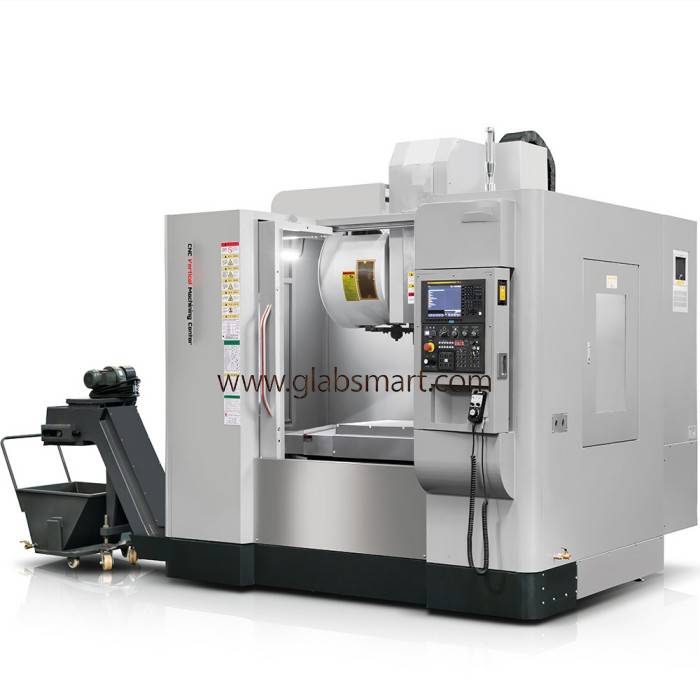
Facing these barriers, enterprises rely on tech innovation and regional cooperation. China’s domestic 5-axis machine tool localization rate exceeds 50%, with GLAB as a typical example. Its self-developed GLAB-M 5-Axis Machining Center (92% core component localization, 0.001mm precision) holds EU CE certification for European high-end markets. GLAB has also deepened Belt and Road (B&R) presence; Overseas Service Director Li Ming noted: "Local centers in Turkey and Indonesia enable 48-hour maintenance response." Long-term client Turkey’s Tosyali Group recently added 2 GLAB heavy-duty machining centers to its order.
Green innovation highlights cross-border cooperation: Chinese energy-saving machine tools with EU certification enter Europe, and energy-efficient equipment enjoys Middle East tariff preferences. GLAB’s custom GLAB-E Energy-Saving CNC Lathe (35% lower energy consumption, intelligent lubrication) secured 30 Middle East orders in six months. Martin Kraus, CEMT Secretary-General, pointed out that green and intelligent machine tools will dominate cross-border trade, with GLAB boosting competitiveness via green innovation and localization to support global manufacturing’s green transition.